Bioburden Testing: Two Common Methods Explained
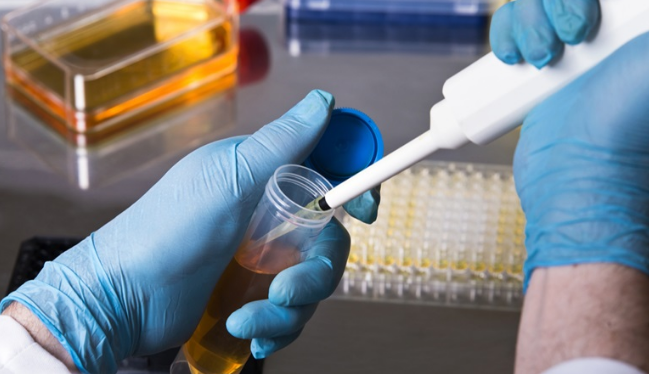
Bioburden refers to the microorganisms such as bacteria present on or inside a medical device that is important to remove before the device is declared fit for use. Bioburden testing is done on any medical device or product used in commercial or domestic practices. Some of the common examples include, medical equipment used in hospitals, delicate products like bandages or gauzes, pharmaceuticals, gels or powders. To make sure products like these are good to use, laboratories perform various methods of bioburden testing based on the nature of the product and its environment. There are two methods of bioburden testing that are commonly practiced over medical products. These are the Most Probable Number (MPN) method, and the Membrane filtration method.
Most Probable Number (MPN) Method:
The MPN method is used in situations where other methods of bioburden testing are not suitable to perform. It is used to test the level of bioburden mass on sensitive medical devices and products like bandages, powders, gels and tissue-based products. To perform the MPN method, the product to be tested is placed in a liquid growth medium in 10-fold dilutions. The liquid growth medium supports the growth of microorganisms present in the product and the liquid turns turbid after the growth. The turbidity of the liquid medium helps to evaluate the level of bioburden mass present in the product. The product is tested in a series of samples and the level of turbidity in each sample shows a trend that can be measured against a table. This method is effectively used by microbiologists for bioburden testing. However, it is important to see if the method is performed accurately because inaccuracy can lead to false quality assurance and can risk the usage of the product.
Membrane Filtration Method:
Membrane filtration method is most commonly used in water treatment plants. The water that is used for drinking is filtered from bacterial presence to make ensure the quality of water supplied to houses, hospitals and industries. Membrane filtration is also used in microbial monitoring of medical devices, pharmaceuticals, food and beverages and other similar industries. To carry out the membrane filtration process effectively, a sample of the product is collected and necessary dilution is performed on the sample. A nutrient medium that can enumerate different microorganisms is selected and transferred to a Petri dish containing an absorbent pad at the base. Flamed forceps are used to remove membrane from Petri dish to place in a funnel and the sample is poured. The flamed forceps are then used to remove the membrane from funnel assembly. The membrane is placed into the Petri dish and incubated. After the incubation is done, the microorganisms present on the membrane are identified. It is vitally important that the incubation is done under proper temperature and required time to get the most effective results.
Bioburden testing is a common practice of microbiologists around the globe. Apart from these two methods, there are several other techniques used by lab professionals to measure and remove the bioburden mass from medical devices or products. If you are looking for professional bioburden testing services, you can reach out to microbiology labs in your area to get credible quality assurance for all your medical devices.
